|
|
Progressing EW4All Oriented to Partnerships and Local Engagement (PEOPLE)
|
|
|
|
May, 2026
|
|
|
|
The PEOPLE project (Progressing EW4All Oriented to Partnerships and Local Engagement)
is a flagship initiative of the WMO World Weather Research Programme (WWRP). We focus on
“human-centered” early warning systems, bridging the gap between scientific forecasting and
local community action. By prioritizing partnerships and inclusivity, we aim to ensure that
life-saving information reaches the last mile.
|
|
|
|
|
|
|
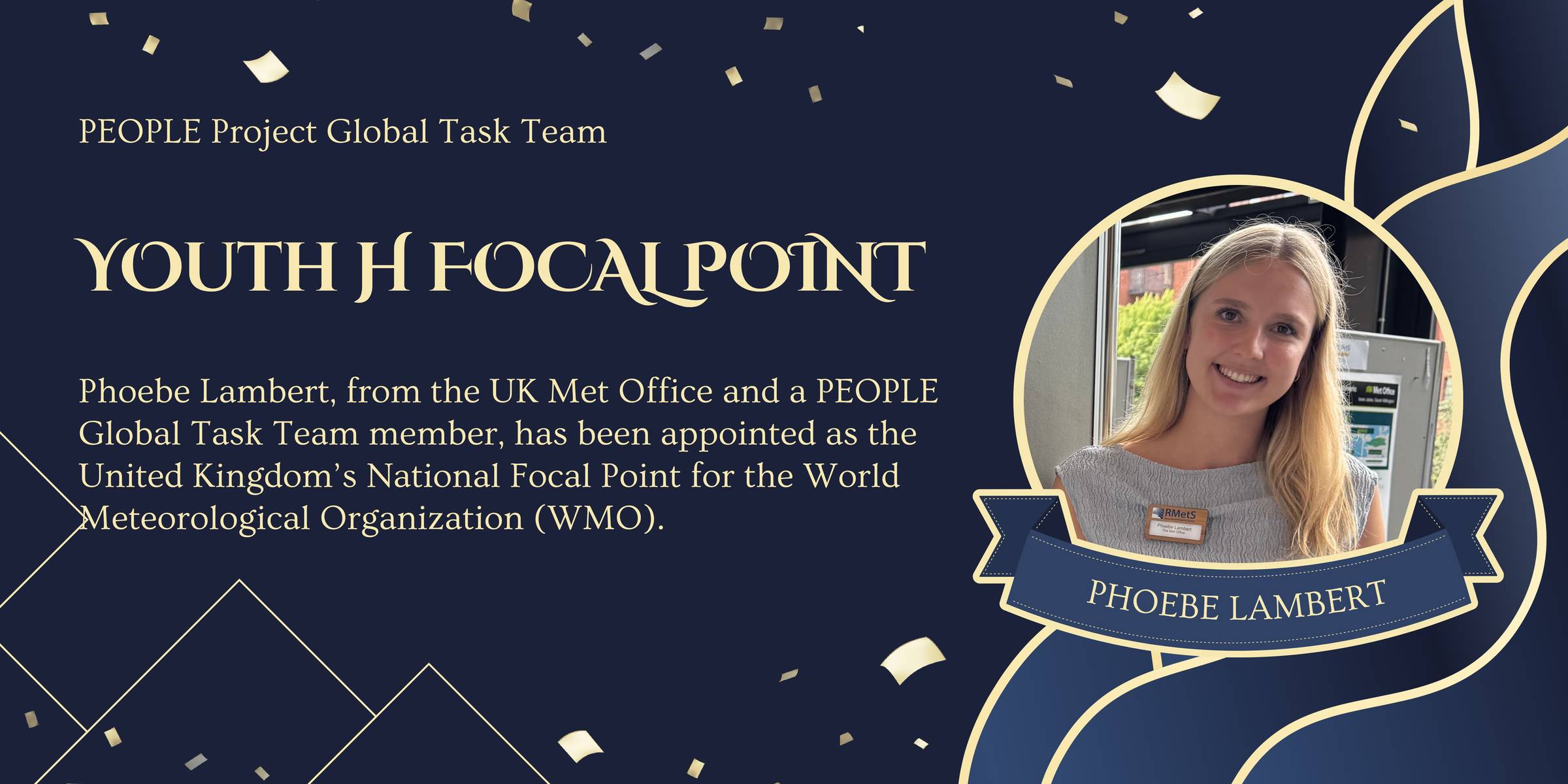
Phoebe Lambert, a Foundation Scientist in Weather Impacts at the UK Met Office and the PEOPLE Global Task Team member has been appointed as the United Kingdom’s National Focal Point for the World Meteorological Organization (WMO). In this role, she will be helping to connect early-career professionals with the WMO’s work and support youth engagement through the WMO Youth Network and Youth Action Plan. A key focus is working to ensure youth perspectives are considered in international decision-making across the global meteorological and climate community. See more here
|
|
|
|
PEOPLE Project co-chair Dr. Irasema Alcántara-Ayala delivered the opening keynote at the WMO/WWRP Weather and Society Conference 2026, making a compelling case that effective early warning systems must be grounded in early understanding of risk, vulnerability, and community realities. Drawing on research across hazards and regions, she challenged the global disaster risk community to move beyond technical solutions alone — arguing that warnings fail not because forecasts are wrong, but because they are disconnected from the social, institutional, and governance contexts in which people live. Her address powerfully reflects the PEOPLE Project’s core mission, and a full write-up is available. See more here
|
|
|
|
|
|
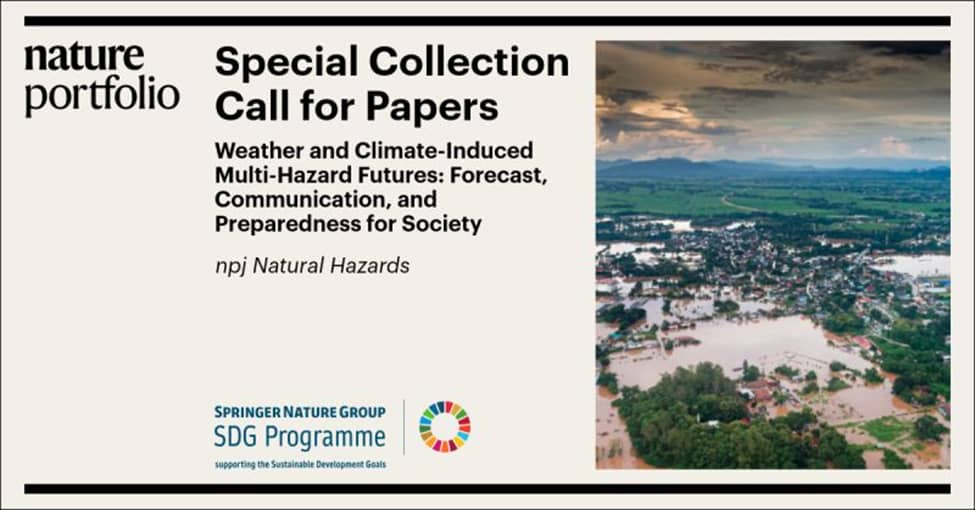
The PEOPLE Project is proud to be a partner in a new interdisciplinary Collection in npj Natural Hazards (Nature Portfolio), co-organised with the WMO/WWRP SERA Working Group, WCRP, ICIMOD, SEPRESS, and UNDRR, among others. The Collection invites submissions that advance people-centred, locally grounded approaches to early warning and preparedness across the full spectrum of weather and climate-induced hazards — from floods and heatwaves to landslides and coastal surges. Research that centres social vulnerability, justice, equity, and the integration of Indigenous and local knowledge alongside scientific expertise is especially welcomed. If your work bridges science, governance, and community realities in the face of compounding and cascading risks, this is the Collection for it. The deadline for submissions is 30 September 2026. See more here
|
|
|
|
|

|
The PEOPLE Project is pleased to have endorsed the Mediterranean Extreme Events Experiment (M3E), a multi-institutional initiative led by ECMWF that is deploying 15 drifting buoys across the Ionian Sea and central Mediterranean. The buoys address critical gaps in the region’s observation network — highlighted by devastating events such as Storm Daniel in 2023 — providing sea-level pressure data to all weather services and improving forecast skill across Mediterranean countries. This endorsement reflects the PEOPLE Project’s commitment to strengthening the scientific foundations that underpin effective, people-centred early warning systems. See more here
|
|
|
|
|
|
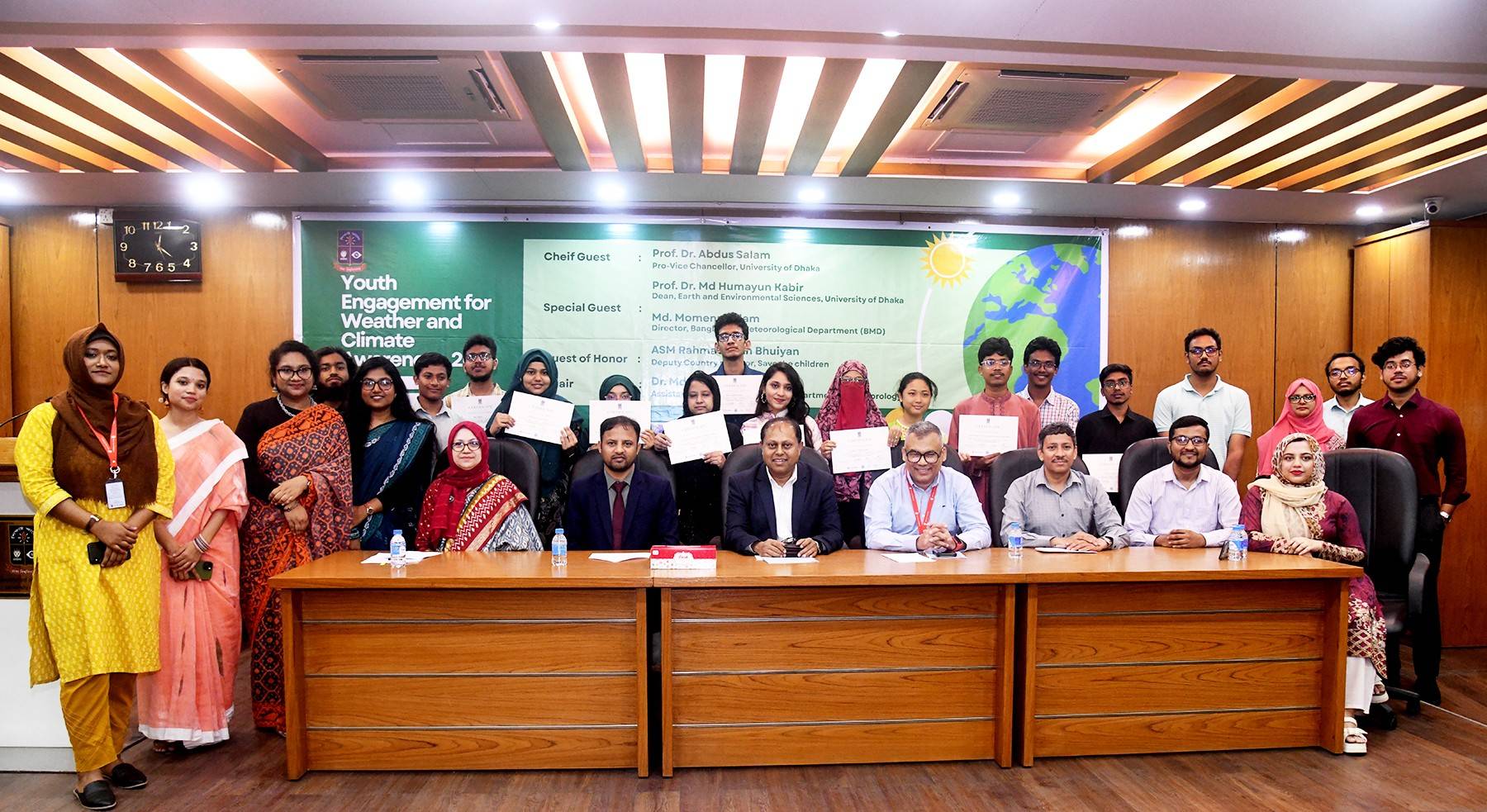
The Department of Meteorology, University of Dhaka celebrated World Meteorological Day 2026 through the program “Youth Engagement for Weather and Climate Awareness 2026” under the theme “Observing Today, Predicting Tomorrow.” As part of the celebration, online photography, speech, and poster competitions were conducted from March 2026, engaging students from different institutions. The closing seminar and award giving ceremony was held on 18 May 2026 with Professor Dr. Abdus Salam as chief guest. The event brought together students, researchers, and professionals to promote youth engagement in weather, climate awareness, and disaster preparedness. The program was organized in collaboration with Save the Children and German Humanitarian Assistance. The event also highlighted the importance of scientific observation, early warning systems, and youth participation in building a more climate resilient society. See more here
|
|
|
|
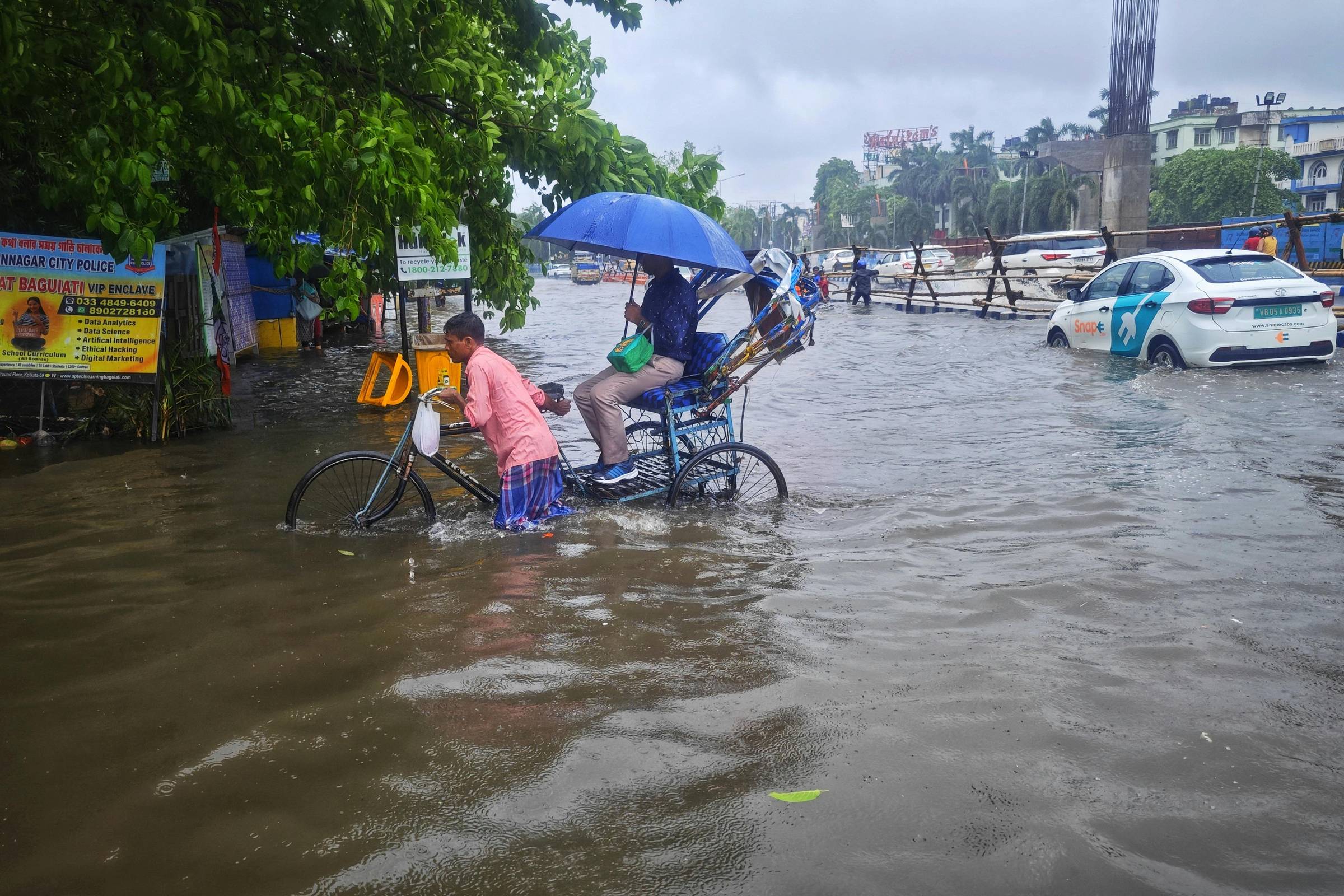
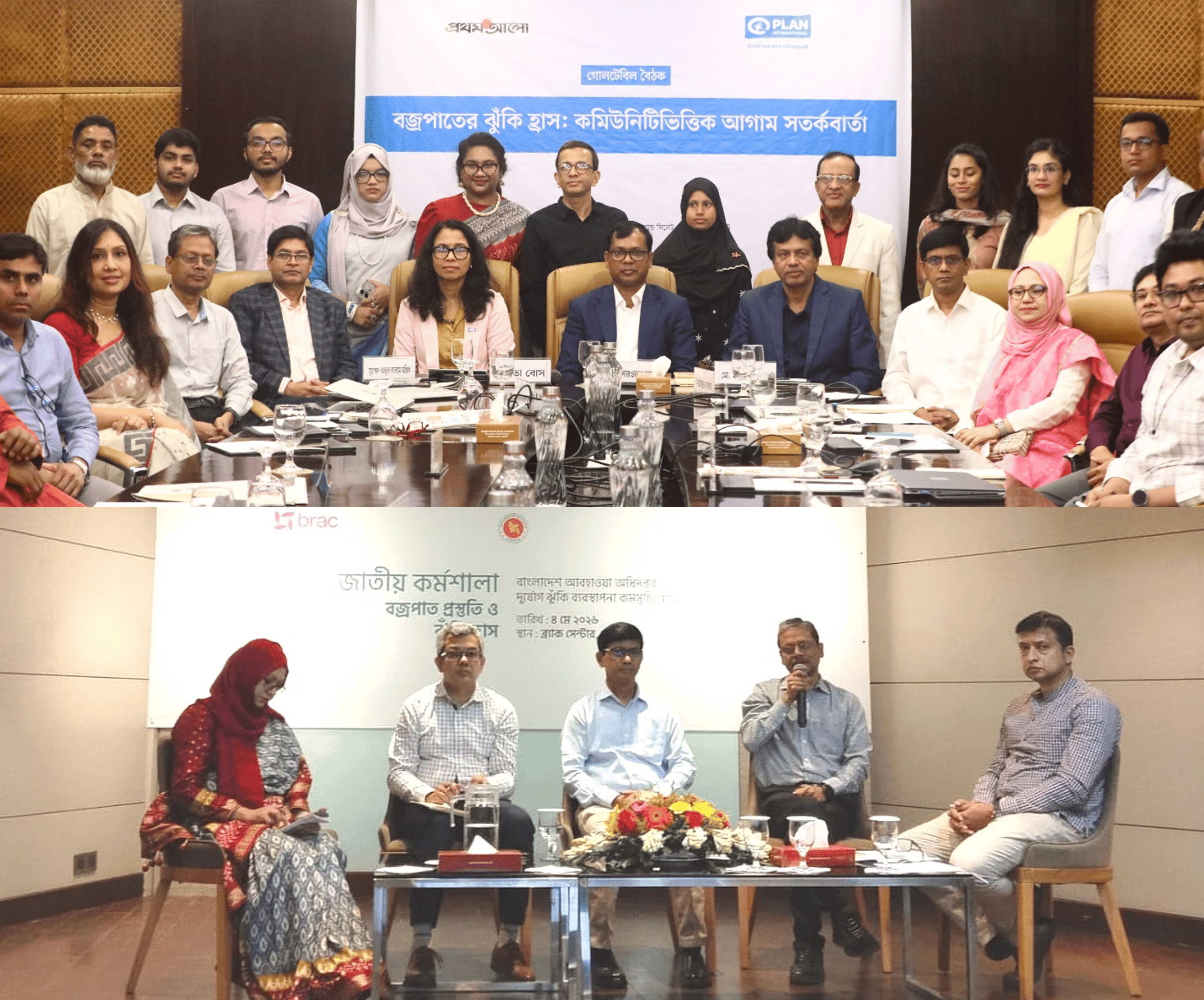
Bangladesh has highlighted the urgent need for stronger early warning systems and community preparedness following recent lightning incidents that killed around 71 people between 26 and 30 April. In response, a national roundtable in Sylhet and workshops organized by Plan International and Prothom Alo, and by the Bangladesh Meteorological Department and BRAC, brought together government officials, meteorologists, researchers, and community representatives to discuss early warning dissemination, risk communication, and preparedness, emphasizing that hearing thunder signals immediate danger and the need to seek safe shelter. A key highlight was the contribution of Associate Professor Dr. Fatima Akter from the Department of Meteorology, University of Dhaka, and steering member of the WWRP PEOPLE Project, who emphasized the important role of educational institutions in strengthening disaster risk reduction and community preparedness. See more here
|
|
|
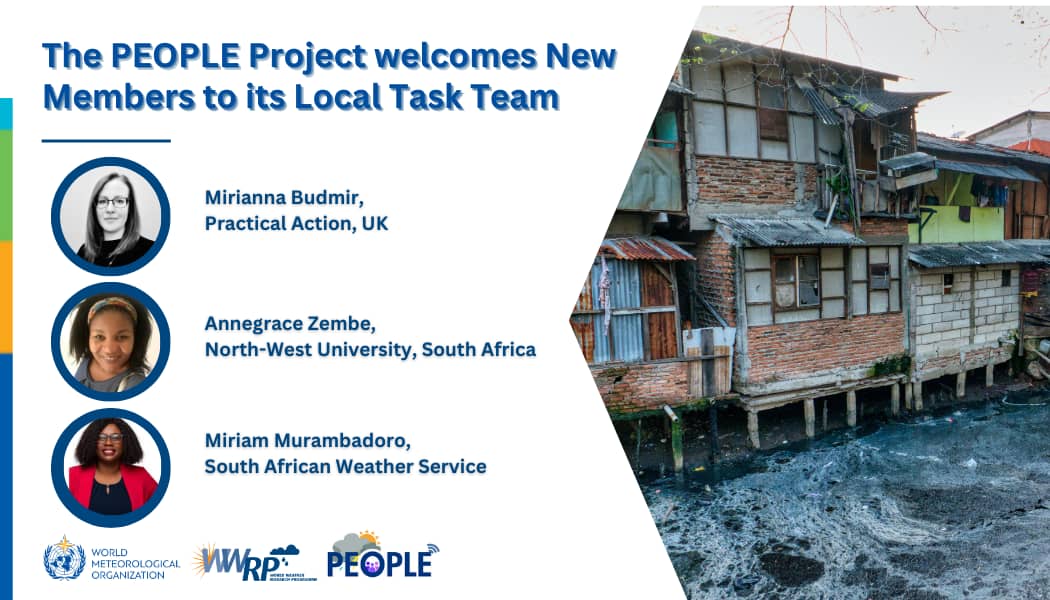
PEOPLE Project welcomes New Members to their Local Task Team, January 2026
The Local Task Team of the PEOPLE Project aims to support and verify the broader project objectives through a grounded reality check, not from an academic or purely document-based perspective, but from the practical experiences and voices of stakeholders and actors at the local level. In order to do so, it launched an Open Call in November 2025 as a result of which is has welcomed 3 new members. The Team welcome Mirianna Budimir from Practical Action in the United Kingdom, Annegrace Zembe from the North-West University in South Africa and Miriam Murambadoro from the South African Weather Service.
|
|
|
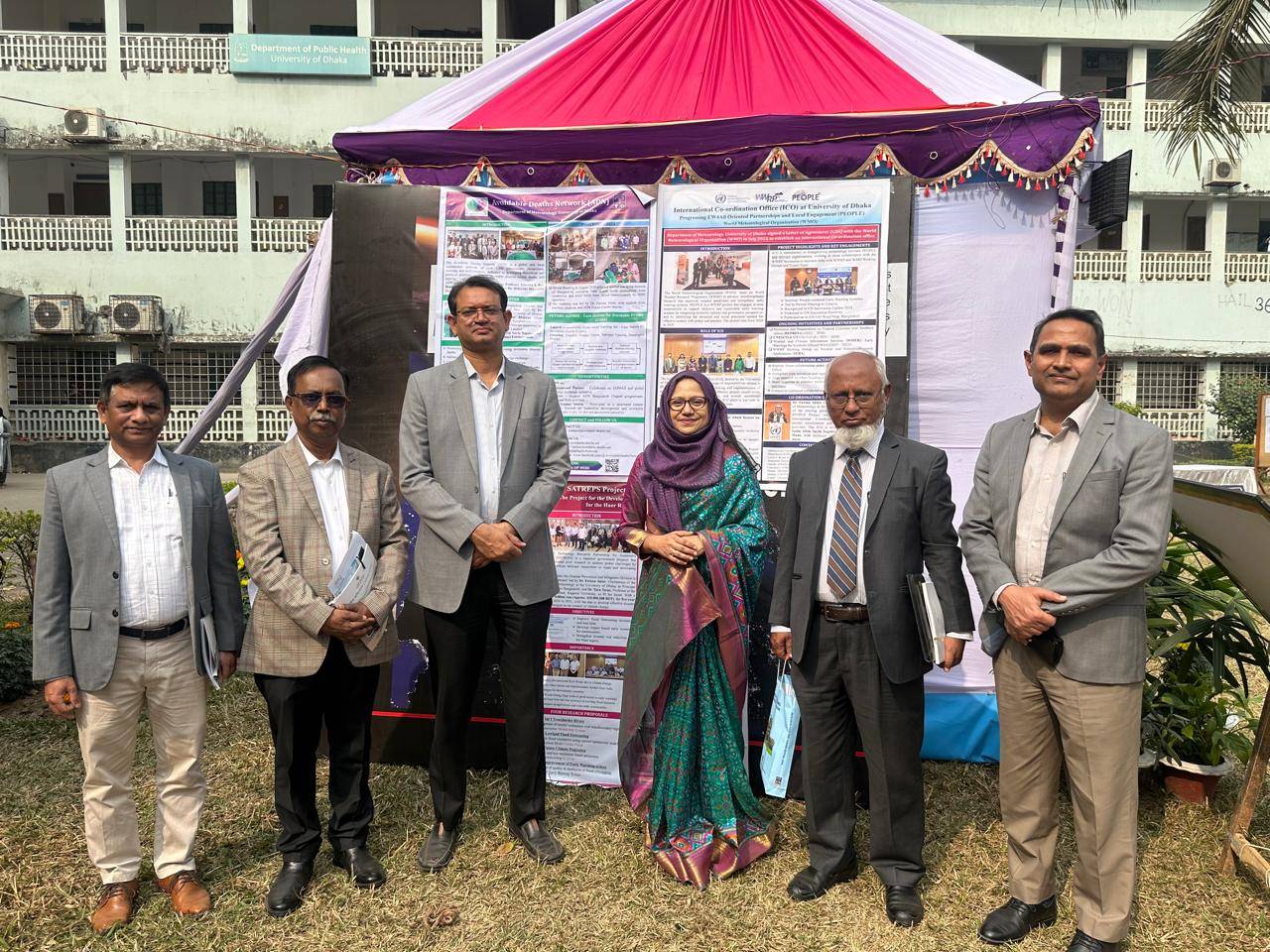
PEOPLE International Coordination Office Staff represents the Project at the University of Dhaka, December 2025
On 25 January 2026, the Faculty of Earth and Environmental Sciences at the University of Dhaka hosted a day long Research Fair and Career Festival, inaugurated by the Vice Chancellor. The event showcased faculty and student research through poster presentations while providing networking and career opportunities. One poster featured the World Meteorological Organization International Coordination Office, established through a Letter of Agreement in July 2025. It highlighted the office’s role in advancing Early Warning for All through the PEOPLE initiative, presenting key projects, future plans, and the coordination team. The faculties appreciated the collaboration, while students showed strong interest, reflecting enthusiasm for academic and professional development and the importance of platforms that foster inquiry and experiential learning.
|
|
|
|
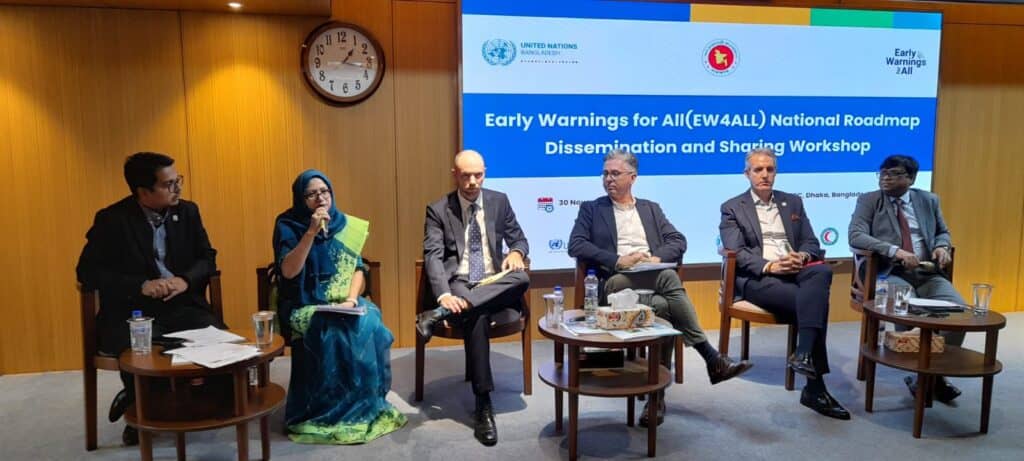
Dr. Fatima Akter, Chairperson of the Department of Meteorology at the University of Dhaka and PEOPLE Project Steering Group member, participated as a panelist at the National Road Map Dissemination Workshop for Early Warnings for All in Bangladesh. Joining senior representatives from WMO, FCDO, WFP, and IFRC, Dr. Akter spoke to academia’s vital role in strengthening technical capacity for EW4All — highlighting the need for targeted meteorological research to improve the accuracy and reliability of early warnings in Bangladesh. She also took the opportunity to outline the PEOPLE Project’s mission to systematically identify and address gaps along the warning-to-action pathway, from scientific generation through to community response, and to develop people-centred, impact-based early warning systems. See more here
|
|
|
|
The PEOPLE Project has been officially added to the UN Innovation Network’s library of innovation projects, recognised as a model of innovation in behavioural science, strategic foresight, and knowledge sharing. The inclusion highlights PEOPLE’s ambition to engage diverse communities across cultures and governance contexts to shape early warning systems that reflect local priorities and lived realities — a people-centred complement to technology-driven solutions. As momentum grows behind the Early Warnings for All initiative, this recognition opens new doors to scale an approach to early warnings rooted in inclusion, equity, and participatory design. See more here
|
|
|
|
|
|
|
|
International Coordination Office (ICO), Department of Meteorology, Level-6, Room No. 701, Mukarram Hussain Khundker Biggyan Bhaban, Faculty of Earth & Environmental Sciences, University of Dhaka, Dhaka, Bangladesh
www.wmo-people.du.ac.bd
|
|